
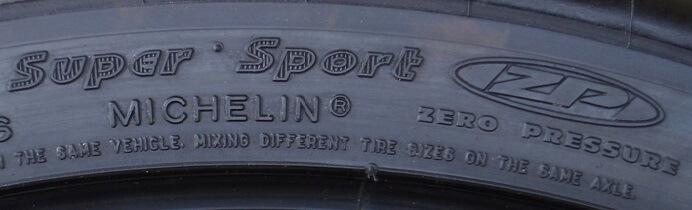
What is a run-flat tire?
Jan 17, 2024
3 min read
Run-flat tires are a unique innovation in the world of automotive technology, offering drivers a valuable advantage when it comes to dealing with punctured or deflated tires. In this article, we'll explore the concept of run-flat tires, how they work, and why they are becoming increasingly popular in the automotive industry.
What Are Run-Flat Tires?
A run-flat tire, as the name suggests, is a tire designed to keep you moving even when it loses air pressure due to a puncture or other issues. These tires feature a reinforced and stiffer sidewall construction, allowing them to support the weight of the vehicle even when they have little to no air pressure remaining.
Key Characteristics of Run-Flat Tires:
- Stiffer Sidewalls: The most significant feature of run-flat tires is their stiffer sidewalls. These reinforced sidewalls provide the necessary structural support to the tire when air pressure is lost, preventing the tire from collapsing.
- Tire Pressure Monitoring System (TPMS): To use run-flat tires effectively, a vehicle must be equipped with a Tire Pressure Monitoring System (TPMS). The TPMS continuously monitors the tire's air pressure and alerts the driver if a significant loss of pressure occurs. This early warning system ensures the driver is aware of the situation and can take appropriate action.
- Factory-Equipped Run-Flat Tires: Some vehicles come from the factory equipped with run-flat tires. These vehicles typically do not have a spare tire, as run-flat tires are designed to provide a temporary solution in the event of a flat tire.
- Convenience: Run-flat tires allow drivers to continue driving to a safe location or repair shop after a puncture, reducing the need for immediate roadside tire changes.
- Increased Safety: Run-flat tires help maintain vehicle control and stability in the event of a tire puncture, reducing the risk of accidents or dangerous situations caused by sudden tire failure.
- No Need for Spare Tire: Vehicles equipped with run-flat tires often do not have a spare tire, saving space and reducing vehicle weight.